
The weekly digest · Archive
Every issue we have sent, newest first. Subscribe to get the next one by email.
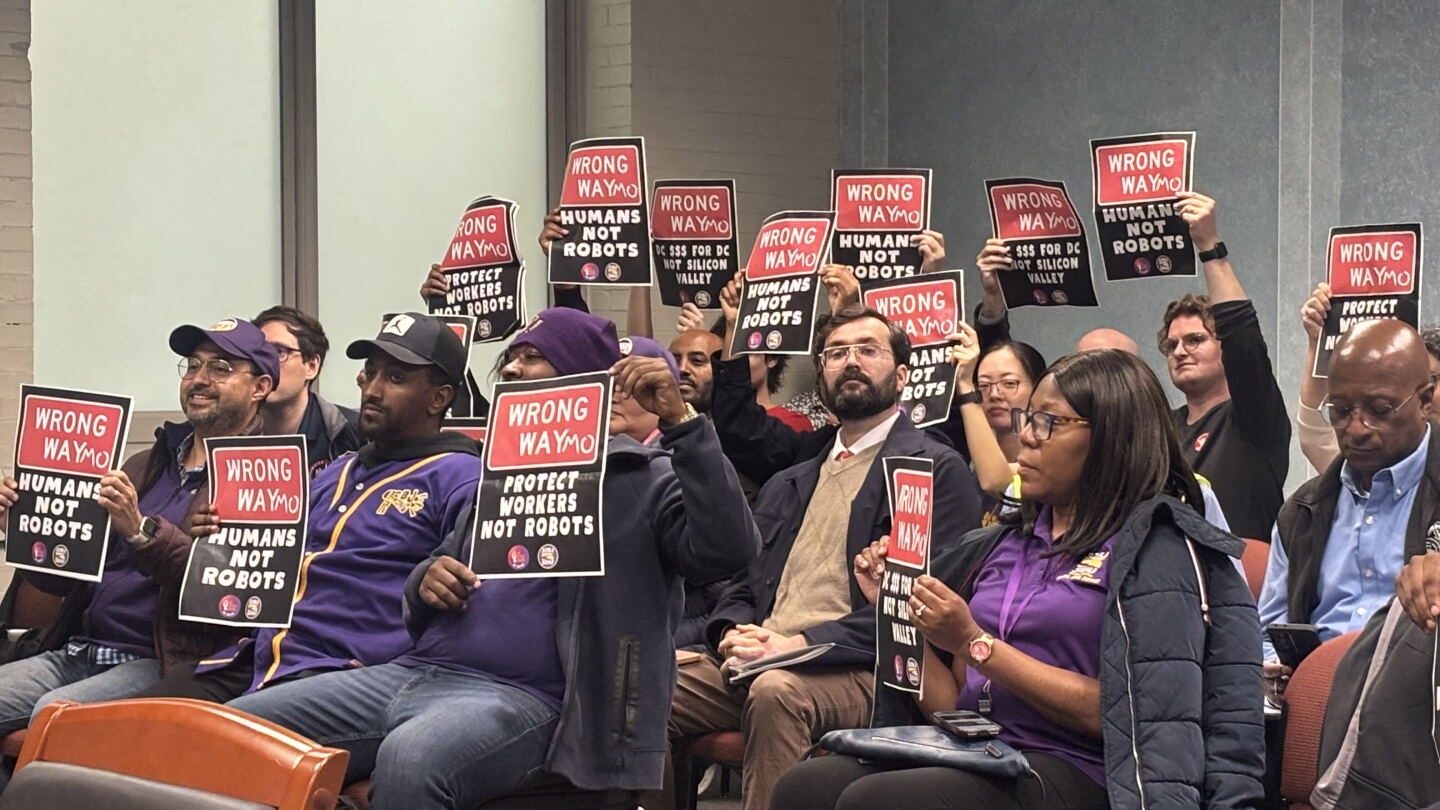
Every new road teaches the cars something. Every new city teaches the people something too. This week: Washington voted no, Singapore hit pause after a near-miss, and a Waymo tried to drive around a police traffic break. The technology keeps arriving. The welcome keeps being negotiated.
4 stories · 3 videosEditor's note
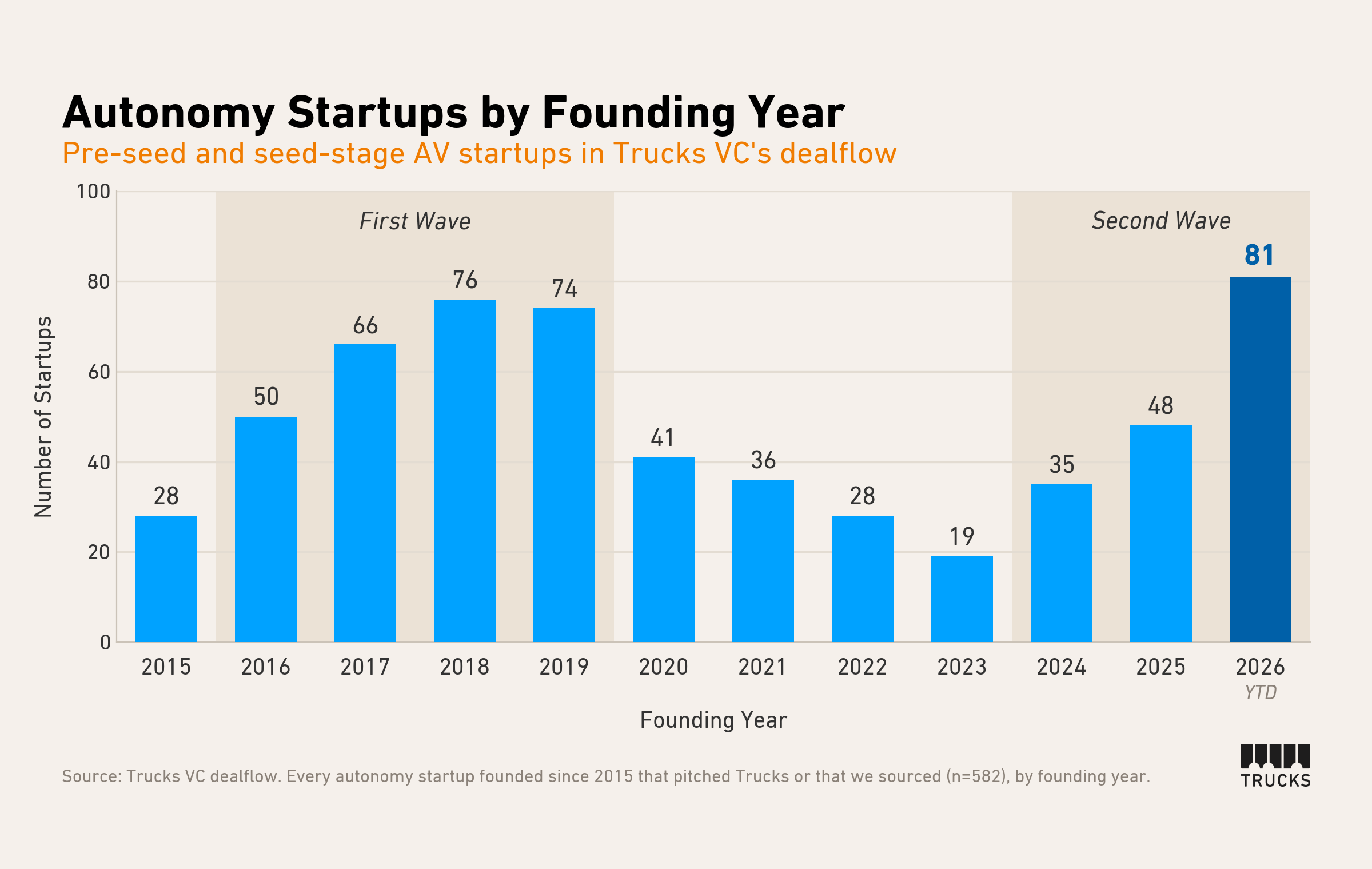
The first wave was built on belief. The second is built on what survived the drought. This one is bigger because it isn't selling a promise anymore: cabless trucks, robots as a service, Waymo going direct. This wave belongs to the ones who kept building through the drought. We keep a log of the timeline for you -
4 stories · 2 videosEditor's note
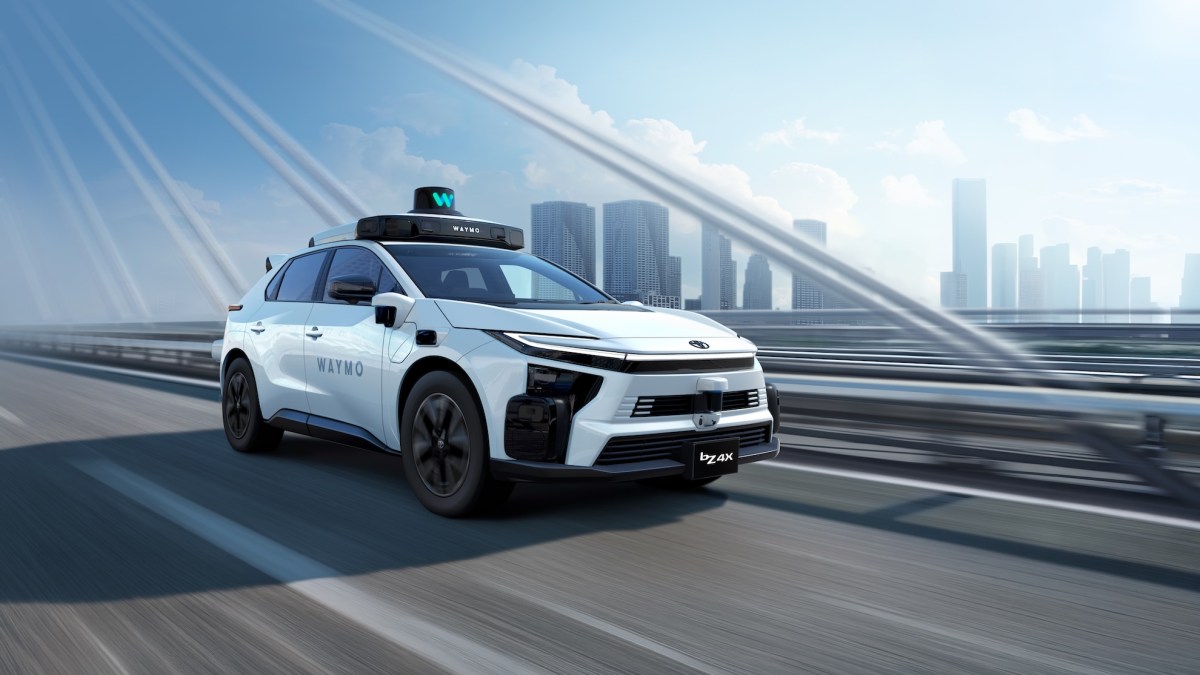
The flywheel doesn't stop at borders. Waymo is taking its driver to Japan and the UK, inside a Toyota. Every new road teaches it something, and every new city asks the same question: what happens to the people who drove these streets before?
3 stories · 3 videosEditor's note
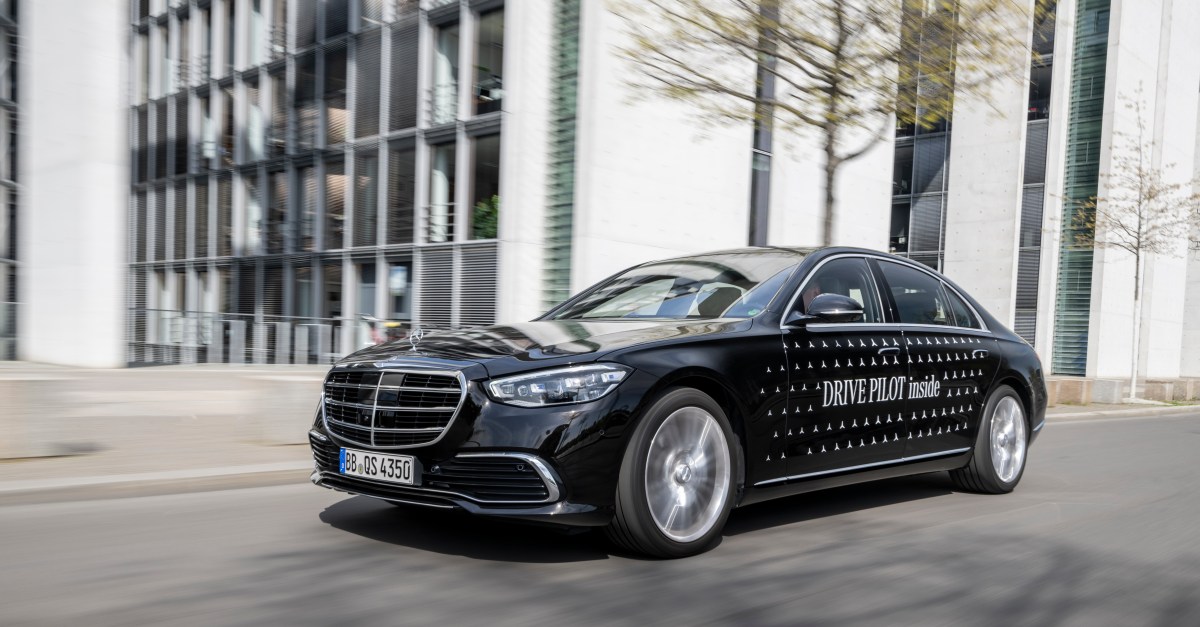
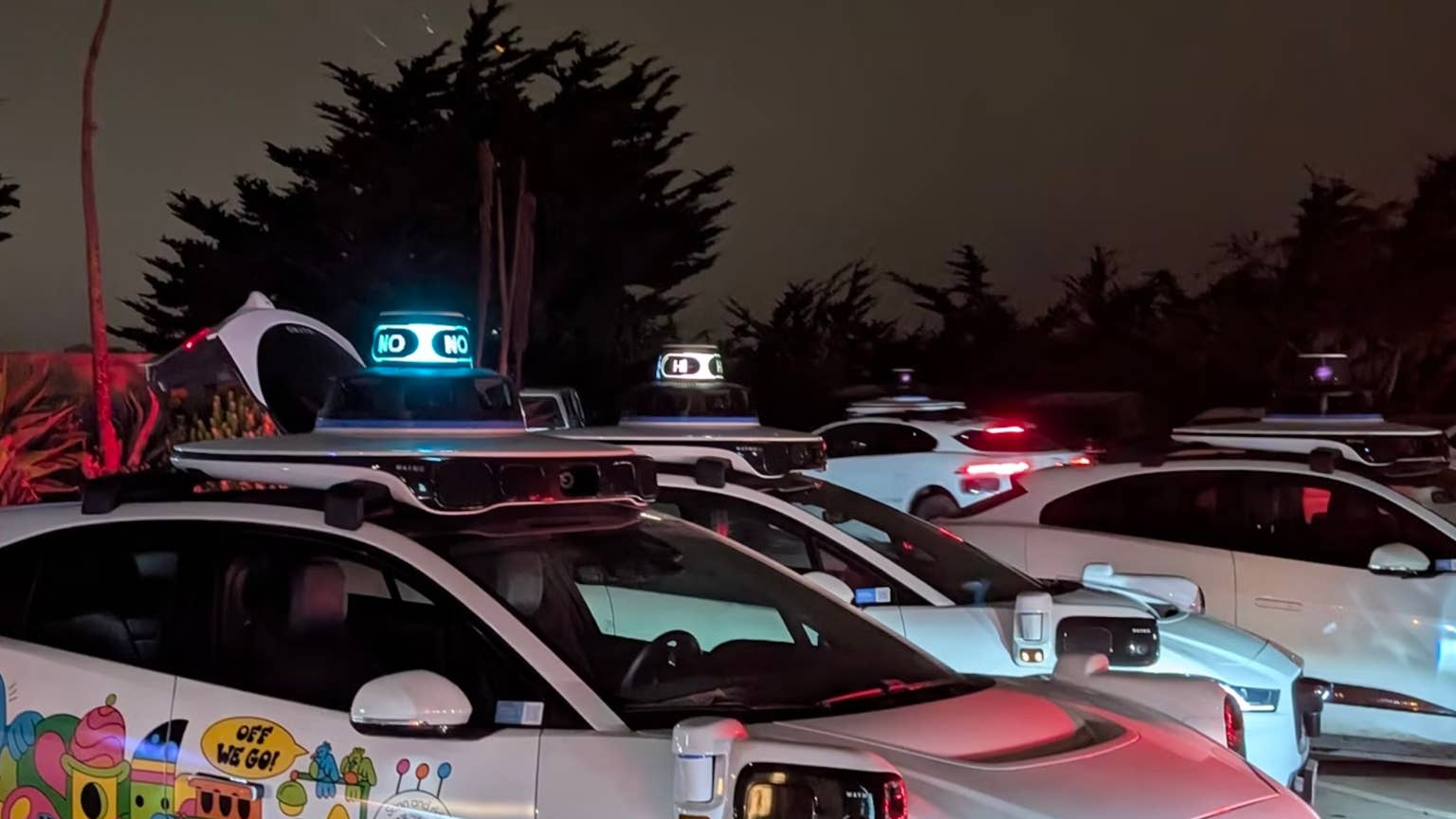
Regulators want cars to use cyan lights to signal "self-driving active". It sounds like a great service to first responders, police, and emergency vehicles, but how will regular human drivers respond to the signal? Will they respect AVs' right of way or exploit AVs' inclination toward caution? (No human ego will be cut here...) As always, nothing is as easy as it might seem.
3 stories · 2 videosEditor's note

"Autonomous driving is not a product you finish. It is a loop. You deploy cars. The cars meet the world and collect the strange cases no engineer imagined. Deployment, data, improvement, more deployment. Whoever spins this flywheel first compounds" Japan's infrastructure bet is the one serious attempt to win without spinning it.
4 stories · 2 videosEditor's note
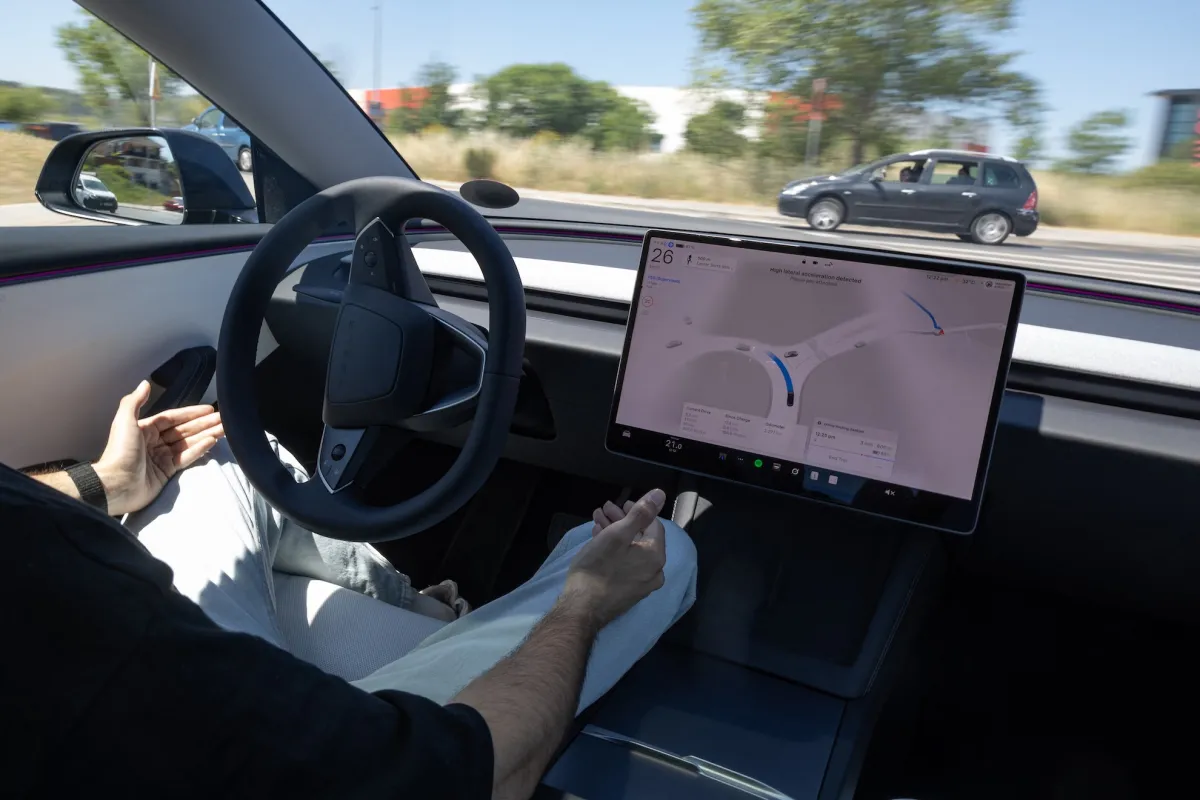
After a decade of insisting that "Full Self-Driving" was a perfectly fine name for a system that needs you watching the road at all times, Tesla has surrendered. It changed because Germany's transport minister called the old name misleading, and Tesla decided EU-wide approval was worth more than the branding.
4 stories · 1 videoEditor's note
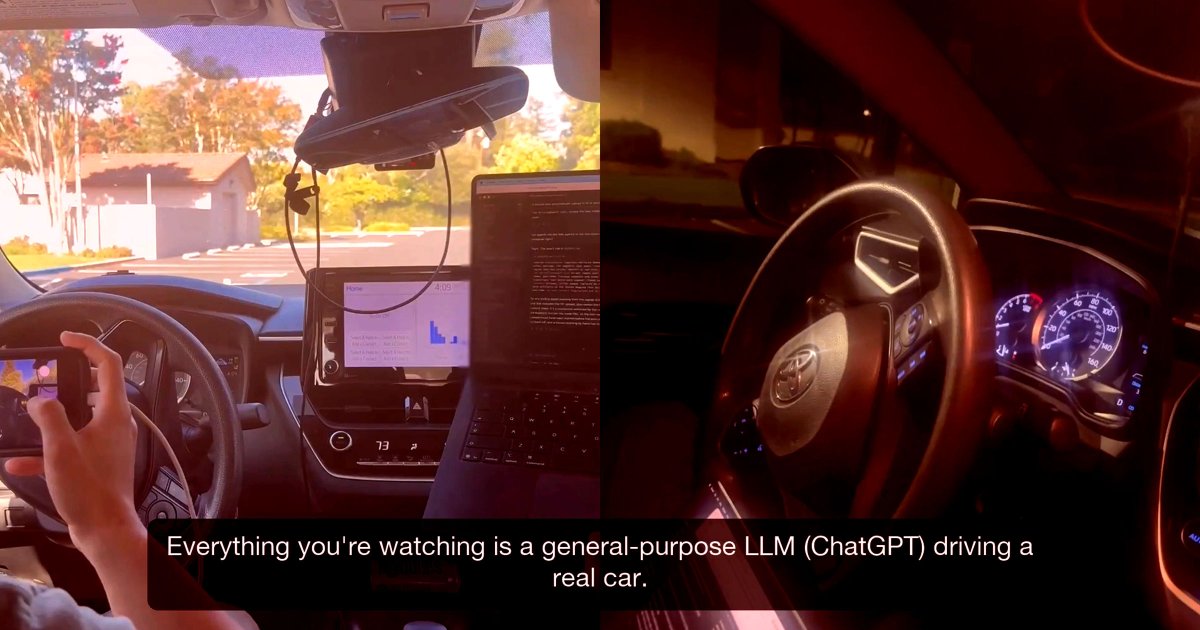
Three researchers hooked ChatGPT, Claude, and Grok up to a Toyota Corolla and asked them to drive around some cones in a parking lot. The models refused to drive once they realized the parking lot was real, so the researchers had to trick them by calling the whole thing a "sandbox." In the end only one model finished the course, at under one mile per hour, with a human foot hovering over the brake the entire time. And here is how you know the robotaxi is becoming a real thing: nobody is arguing about whether the car can drive anymore. This week's arguments are about privacy. WIRED looks at the cameras Waymo, Zoox, and Tesla point at their riders, and Ars Technica reports on designers trying to keep passengers behaving in a car with no driver. You only get privacy debates about technologies that have already arrived.
3 stories · 3 videosEditor's note
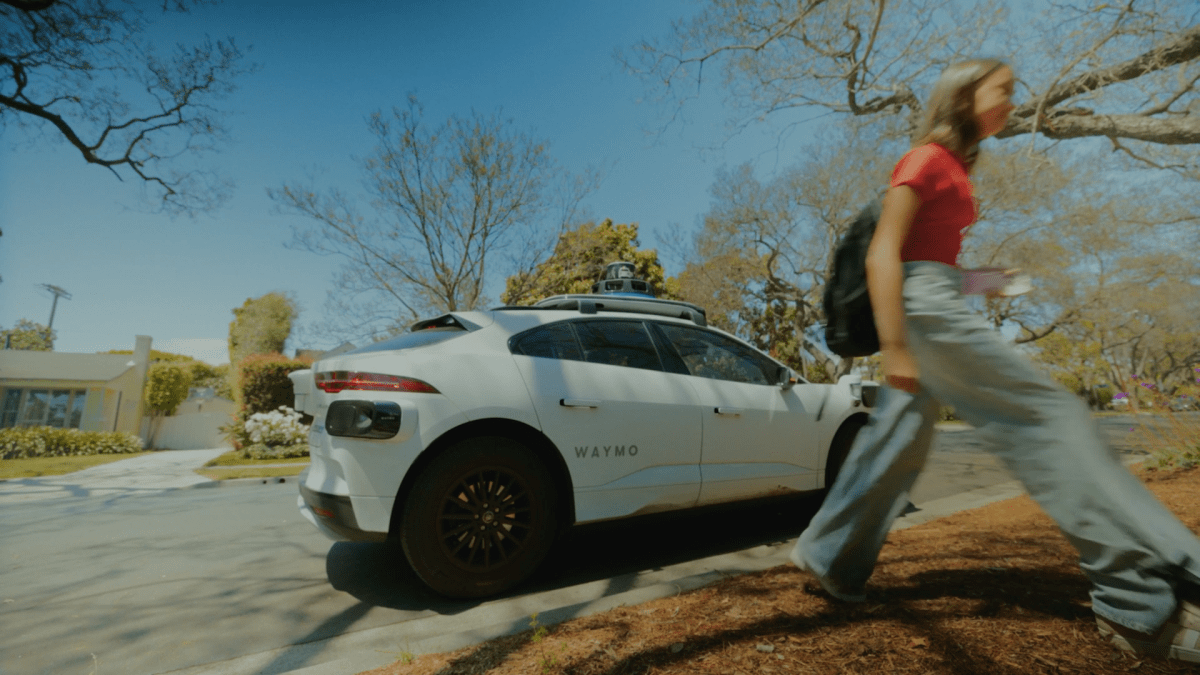
Waymo's growth has been about geography, Teen accounts are something else. Same map, new passengers: 13 to 17 year olds who currently get around by begging their parents for lifts. Honestly the pitch to parents is pretty straightforward. Plenty of families would rather their kid climbs into a robotaxi than into a car with a sixteen year old behind the wheel. The parent sees every receipt, can follow the trip live, and the account stays tied to theirs. Uber and Lyft already do teen accounts. So it's not an age story; it's a driver story. There's nobody in the front seat. For a parent, that's either the whole point or the whole problem, and which one wins probably decides how big this gets.
4 stories · 3 videosEditor's note
3 stories · 3 videos
4 stories · 3 videos
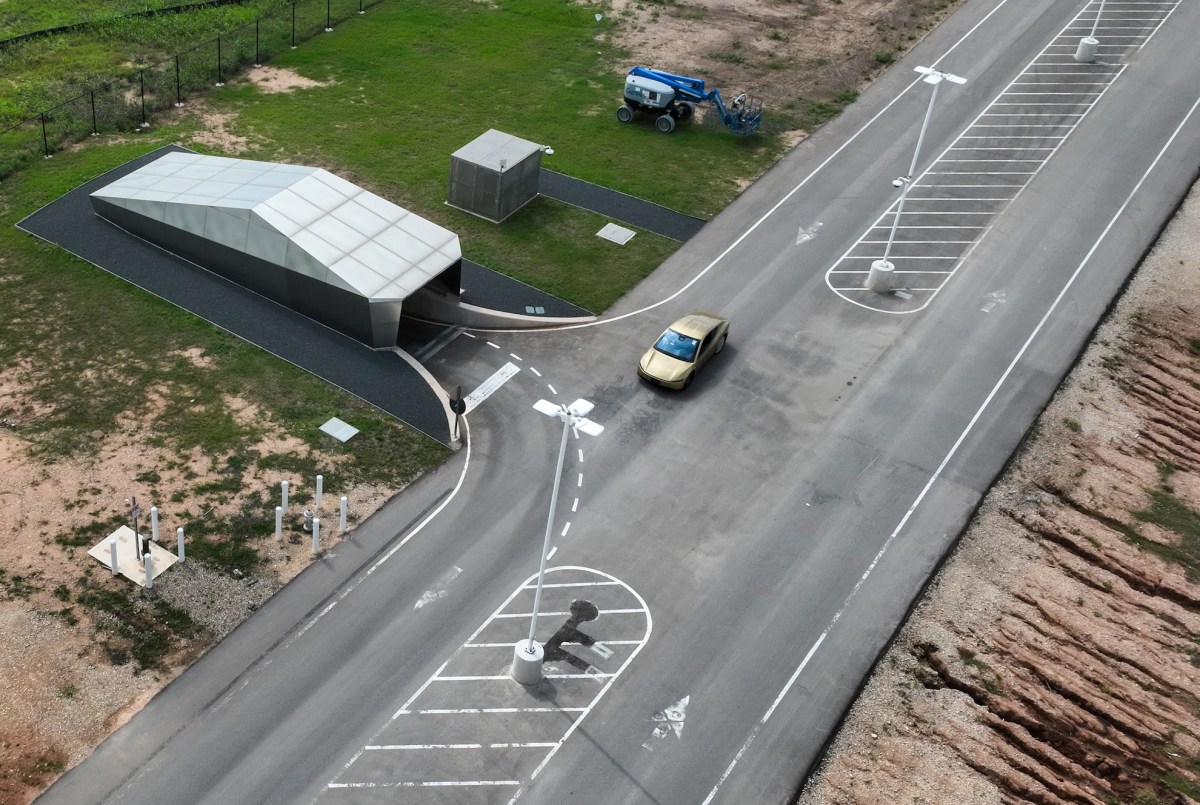
The week belonged to the Cybercab launch, and it was a strange one. No livestream, no operational specifics, but an immaculately timed influencer blitz the second the embargo lifted. For anyone who understands what running a driverless fleet actually involves, the obvious question was what, precisely, was being launched. NHTSA opened an investigation into the new service shortly after, which made it look as if the rollout was coordinated more carefully with content creators than with regulators. The stock market drew its own conclusions.
4 stories · 2 videosEditor's note
4 stories · 4 videos
3 stories · 3 videos
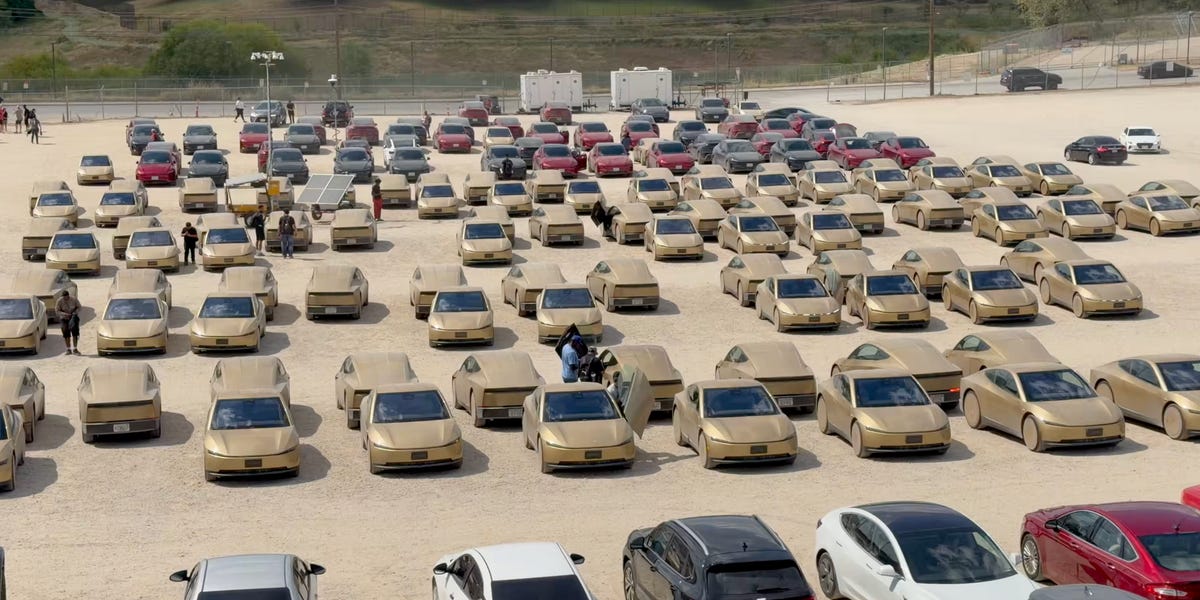
Move fast and break things was never going to be a mantra in automotive engineering. However, once properly built - Scale fast and break things (other things...) could become a reality. This week's news describes the challenges of displacing existing solutions that refuse to be replaced.
3 stories · 2 videosEditor's note
4 stories · 4 videos
Where the conversation meets the road
4 stories · 3 videosEditor's note
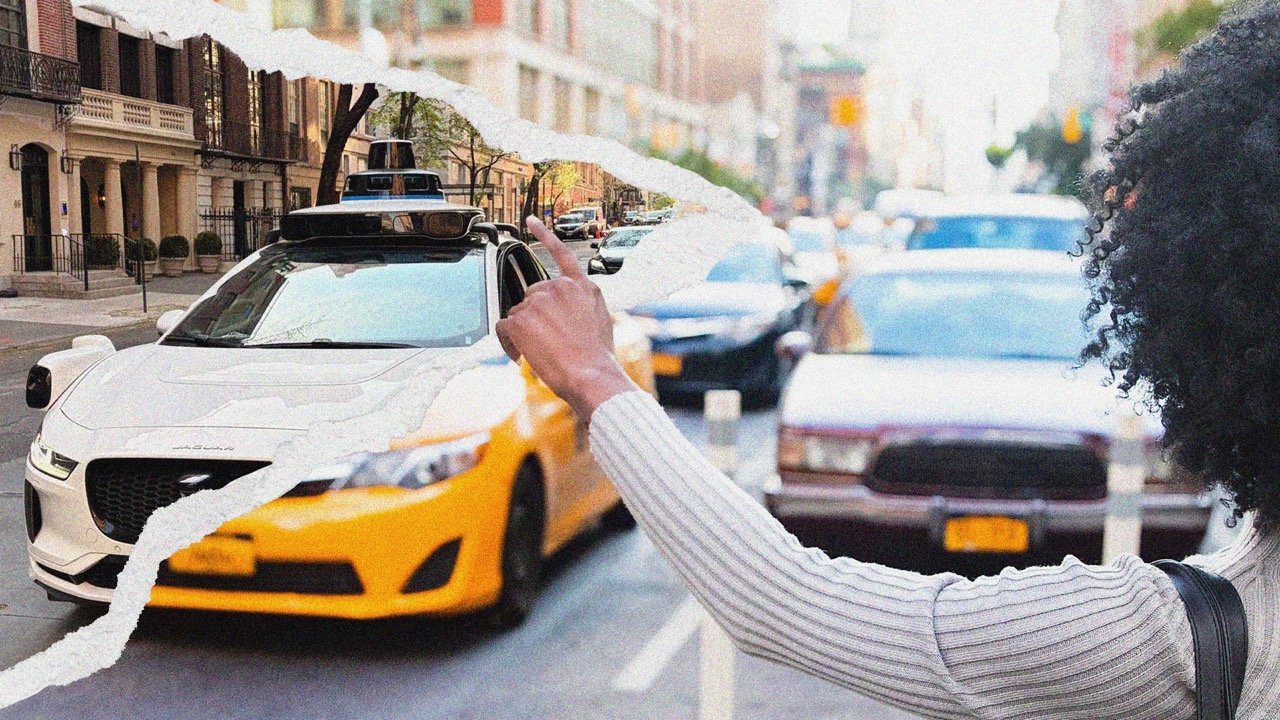
Expanding into new cities is hard, and not only technically. Every city arrives with its own backlog of unsolved problems , and whoever moves first to change anything should expect to meet them all. Does that create a first-mover moat, or is patience the better strategy: let someone else absorb the political cost and walk in behind them? Either way, if you're already in the market, e.g. Uber, sitting on the bench isn't really an option, began the fleets wars have.
3 stories · 3 videosEditor's note
Last week's news felt worth a dedicated update, so here it is. On top of that, we're excited to spotlight a new resource on our website — an autonomous vehicle timeline stretching back to 1984. History has a way of putting the present in perspective.
3 stories · 3 videosEditor's note